in the context of the rapid development of global digitalization, enterprises are paying more and more attention to the choice of server hosting. as an economic powerhouse in europe, germany has become an ideal choice for server hosting for many enterprises due to its reliable infrastructure and high standards of data protection regulations. this article will analyze the advantages and challenges of server hosting in germany from the perspective of cost-effectiveness and budget considerations.
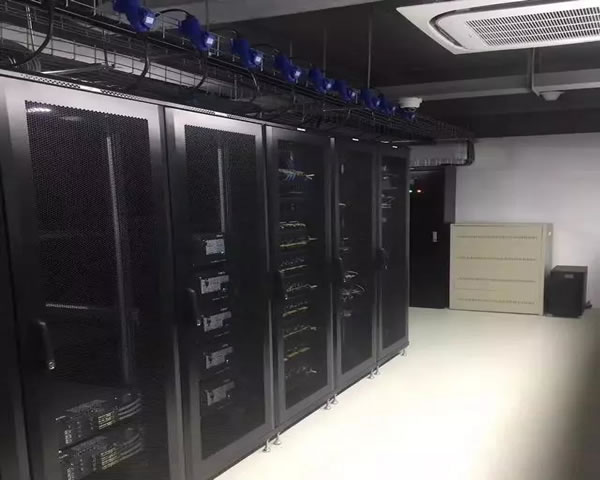
the biggest advantage of german server hosting is its excellent network infrastructure. germany has many high-quality data centers, and its network connections are fast and stable. this is especially important for enterprises that require high availability and low latency. in addition, germany's strict data protection laws ensure the security of customer data and enhance users' trust. by choosing german server hosting, companies can not only enjoy efficient services, but also reduce potential legal risks.
when considering server hosting, cost-effectiveness is an important factor in business decisions. while the initial investment in german servers may be relatively high, reliable performance and security can significantly reduce operational risks and maintenance costs in the long run. excellent customer support and technical services can also help companies save human resources and improve work efficiency. therefore, companies should consider potential long-term benefits and short-term expenses when evaluating costs.
proper budget preparation and management are crucial when choosing a german server hosting service. enterprises should first clarify their own needs, including server type, configuration, bandwidth, etc. secondly, based on market research, formulate a reasonable budget plan. at the same time, allow some flexibility to cover additional costs that may arise. in addition, regularly reviewing and adjusting budgets can help companies stay competitive in changing market conditions.
german server hosting offers a variety of hosting solutions, including dedicated servers, virtual private servers (vps), and cloud servers. when choosing, companies should evaluate based on their needs, budget, and technical capabilities. dedicated servers are suitable for businesses that require high performance and complete control, while vps is suitable for users with a limited budget but still need flexibility. cloud servers provide higher scalability and are suitable for rapidly growing enterprises.
data security is an important consideration for enterprises when choosing server hosting. germany has strict regulations on data protection, such as the general data protection regulation (gdpr), which provides legal protection for data security. when choosing a managed service, businesses should ensure that the service provider can provide solutions that comply with these regulations. in addition, regular security audits and vulnerability assessments can help enterprises discover and resolve potential security risks in a timely manner.
good technical support is an important factor in ensuring that server hosting runs smoothly. choose a service provider that provides 24/7 technical support, so you can get timely help when problems arise and reduce downtime. in addition, the service quality of service providers should also be taken into consideration, and user reviews and case studies can provide reference for enterprises. ensuring that the service provider has a good reputation and rich experience will help enterprises gain a better experience during the hosting process.
as cloud computing and big data technologies continue to develop, the german server hosting market is also constantly evolving. more and more enterprises are adopting hybrid and multi-cloud strategies to increase agility and responsiveness. at the same time, the introduction of artificial intelligence and automation technology makes server management more efficient and intelligent. businesses should pay attention to these trends to stay ahead of the competition in the future.
to sum up, companies that choose german server hosting need to conduct a comprehensive evaluation and analysis in terms of cost-effectiveness and budget. while the initial investment may be higher, the long-term stability, security and efficiency will bring significant returns to the business. when choosing a hosting solution, enterprises should consider their own needs, prepare a reasonable budget, and pay attention to data security and technical support. through scientific decision-making, enterprises will be able to gain advantages in fierce market competition.
- Latest articles
- Contract Considerations: Caution Is Needed When Choosing Ranked Vendors For US Server Rentals
- Best Practices For SMEs Using Cambodia CN2 Return-to-China Servers To Reduce Latency Costs
- Common Troubleshooting Steps And Rapid Recovery Solutions For Taiwan Telecom CN2 Broadband
- An Automated Operations And Maintenance Solution Covering Everything From Development To Monitoring How To Build A Site On Hong Kong Cloud Servers
- From A Business Perspective, Is Vietnam's VPS Reliable? Considerations Regarding Compliance And Data Security
- Free Server Korea Security Protection Policy And Backup Implementation Guide
- Cost And Operation Management Recommendations For Enterprises Deploying Korean CN2 Site Cluster Cloud Servers
- Basic Information On Taiwan Proxy Servers, Common Terminology Explanations, And Purchase Precautions
- How To Choose A Cloud Server In Thailand: From Network Latency To After-sales Service, Comprehensive Aspects
- Recommended Recommendations For Operators To Improve Thailand's High-Defense VPS Protection And Bandwidth Stability By Comparison
- Popular tags
-
Market Trends Shown In The German Tractor And Rv Price List And Analysis Of Second-hand Car Value Preservation
based on the market trend analysis of the german tractor and rv price list and the key points of second-hand car value preservation, it interprets the factors affecting price fluctuations and provides practical valuation suggestions, which are suitable for buying, selling and investment decisions. -

Discussion On The Changes In Operations And Maintenance Processes And The Increased Demand For Staff Skills Resulting From Innovations In German Data Centers
Explore how innovations in German data centers drive transformation in operations and maintenance processes, analyze the challenges and opportunities brought by automation, monitoring, and predictive maintenance, and propose targeted recommendations for personnel skill enhancement. -

How To Choose A German Server Hosting Service That Suits Your Needs
learn how to choose a german server hosting service that suits your needs and ensures the stability and security of your website.